QUESTIONS READERS SEND US
Questions readers ask us most
These are the questions that come up most often in reader messages and in the topics people search for before finding this site. The answers are short versions. Fuller explanations live on the topic pages linked from each answer.
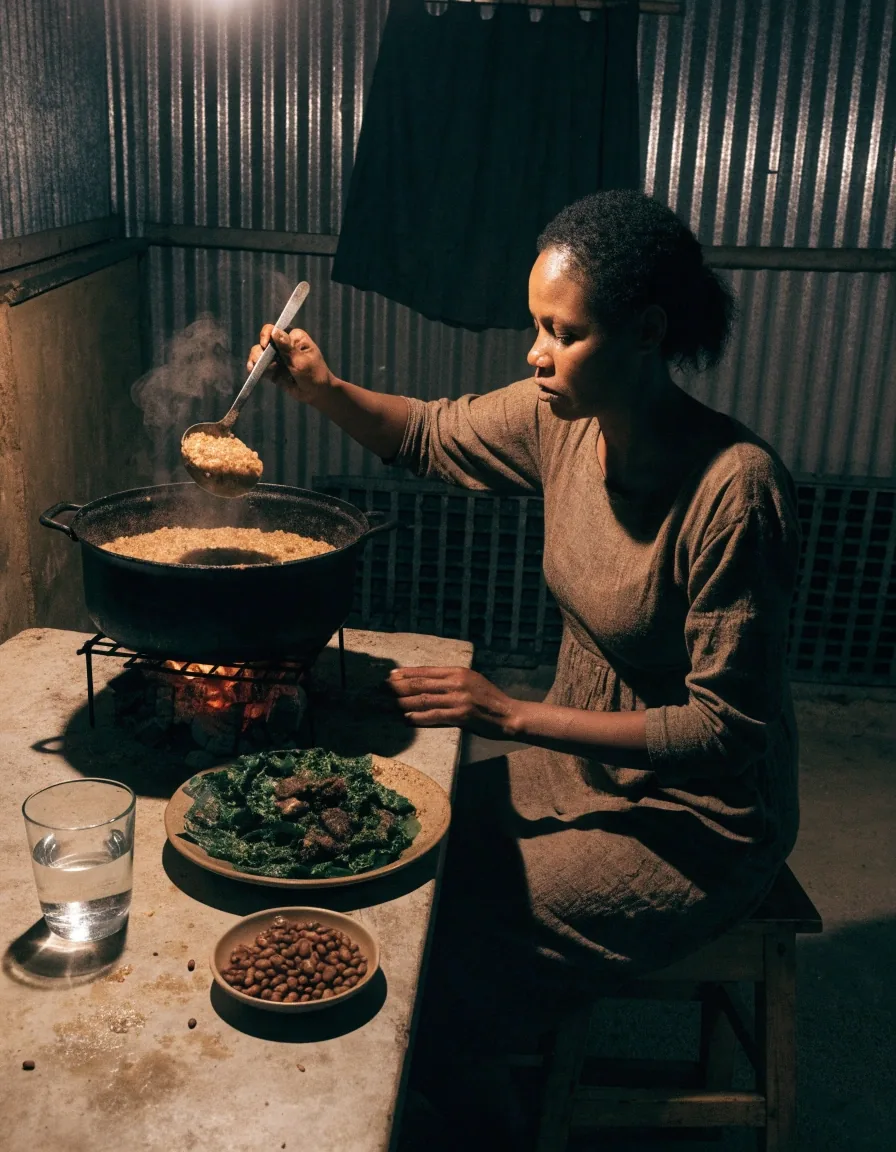
What readers ask about
The nine questions below cover everyday food choices, sleep hours, energy dips, children's meals, habits that work against sleep, and how to read the site's guidance alongside a health professional. Open the group that matches what you are working on.
Affordable balance
What affordable foods make a Botswana meal more balanced?
Beans, ditogo, lentils, morogo, spinach, pumpkin, eggs, tinned fish, groundnuts, and seasonal fruit. You're adding variety to what's already on the plate, not replacing it. Two or three additions alongside the staple grain already improves most meals substantially — a spoon of groundnut paste into a bowl of bogobe, a handful of morogo wilted with onion, or a boiled egg alongside the evening plate.
The cheapest gains are usually vegetables and legumes in season, which shift week to week. If the market has pumpkin or spinach at a low price that month, that is the month to lean into it. Tinned fish and eggs hold their value across the year and cost less per portion than most meat cuts.
The balanced eating guide shows how to combine these across a full day rather than a single meal, including how to read a plate when the proportions look different from the ones in older printed guides.
Sleep hours and habits
How many hours of sleep are enough, and what gets in the way?
Hours
Seven to nine hours for most adults. Consistency of wake time often matters as much as total hours. Sleeping seven hours on the same schedule usually feels better than nine hours at random.
Shared and noisy housing
Sleep habits that work in shared or noisy housing are covered on the sleep and fatigue page — ear protection, dark fabric over a window, and a fixed wake time you can keep even when the room is busy.
Habits that work against sleep
Late strong tea or coffee, heavy meals right before bed, alcohol in the evening, and bright screens in a dark room. Each one is fixable on its own and none requires buying anything. Pick the one that's easiest to change first.

Energy and fatigue
What are the warning signs that diet quality is affecting energy?
The signs readers write in about cluster around a few everyday patterns.
Fatigue that lasts weeks without an obvious cause deserves a check-up, especially for iron and other micronutrients, which a clinic can test. Treat the list above as a prompt to get that test, not as a diagnosis. Diet can support energy levels day to day, but it is not a replacement for clinical investigation when something has changed for weeks.
Where a single food group is missing from most meals — greens, legumes, or a protein source — the fix is usually to add that group back first rather than to remove anything. Small, repeated changes read better on the body than one strict week.
How can families improve children's nutrition without expensive foods?
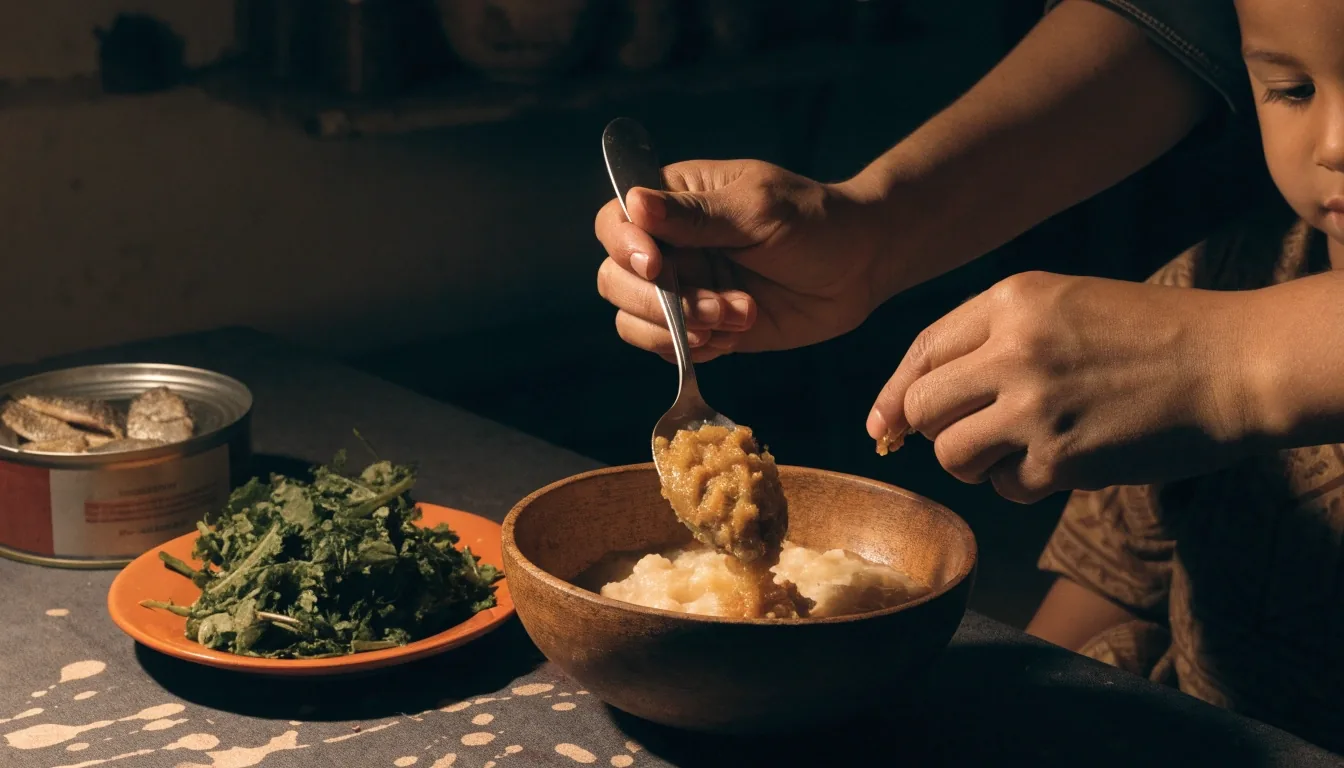
By increasing frequency and variety rather than cost. Adding groundnut paste, morogo, mashed vegetables, or a small amount of tinned fish to porridge shifts the nutritional content meaningfully. A child who eats the same porridge twice more often, with one added ingredient each time, moves faster than a child switched onto expensive alternatives. WHO's benchmark of at least five food groups per day is the practical target; the family nutrition page has examples grouped by meal and by what is in season.
What does healthy eating look like when prices are rising?
Shift toward whatever legume and vegetable are cheapest that month, buy staples in the largest package your budget allows, and cut sweetened drinks before cutting protein. Reducing meat frequency is a rebalance, not a downgrade.
Food access in Botswana is a real constraint, and advice that pretends otherwise isn't worth reading. Prices can move quickly, so we check the affordability advice more often than we check the sleep guidance — the practical tips on this site are revisited when local conditions change.
If you spot something here that no longer matches what you see at the market, the contact page is the fastest way to flag it. Reader corrections are how the price-aware parts of this site stay useful.
Using the guidance on this site
Practical questions about how this site works, what it does not cover, and how to keep it useful.
Do you sell supplements or diet products?
No. This site publishes guidance only. We don't sell supplements, and we don't accept paid placement for them.
Can I use this site with a diagnosed condition?
As background reading, yes. As a substitute for your health professional, no. If you're managing diabetes, heart disease, kidney disease, or a similar condition, your diet needs individual advice, and that belongs with someone who can see your full picture. Use this site to ask better questions, not to replace that conversation.
How often do you update pages?
Pages are revisited when guidance or local conditions change. Food prices move quickly in Botswana, so affordability advice gets adjusted more often than sleep guidance. If you spot something out of date, the contact page is the fastest way to flag it.
Still have a question that isn't answered here?
Send it through the contact page and we'll read it. The questions that come up repeatedly get answered here or expanded on the topic pages, so a message from one reader often helps the next.