
Longevity habits that fit into a normal day
Healthy ageing is not one decision made in a clinic. It is the accumulation of ordinary repetitions — how you move, what you drink, how you handle stress, and whether you sleep on a schedule.
Movement you do not schedule
Walking to the shop, taking stairs, carrying water, digging, dancing — the movement that happens anyway is the movement that lasts.
Strength for the long haul
Muscle declines slowly from mid-adulthood. Squatting, carrying loads and push-ups count; a short session twice a week is a realistic entry point.
Fluids across the day
Botswana heat makes fluid loss easy to underestimate. Water, unsweetened tea and diluted juice carry the day; sweetened drinks and alcohol should not be your main fluids.
Movement you don't need to schedule
Formal exercise is useful, but the movement that matters most is the movement that happens anyway. Walking to the shop instead of driving, taking the stairs, carrying water, digging, dancing. Botswana's health policy consistently pairs healthy eating with increased physical activity, and it treats the pairing as a population-level tool rather than an athletic ambition. The goal is simple to state and hard to fake: move more than you did last month.
That framing matters because it removes the excuses. You do not need a gym membership, a specific hour, or special clothing. You need a slightly longer route to the shop, a decision to take the stairs when the lift is available, and a habit of standing up during long stretches of sitting. Each of those choices is small. Stacked over a year, they are the difference between a body that stiffens and one that keeps its range.
If you want a rough target to hold in your head, aim for roughly thirty minutes of brisk movement on most days, broken into whatever chunks your day allows. Three ten-minute walks count the same as one longer one. What does not count is planning to start next week.
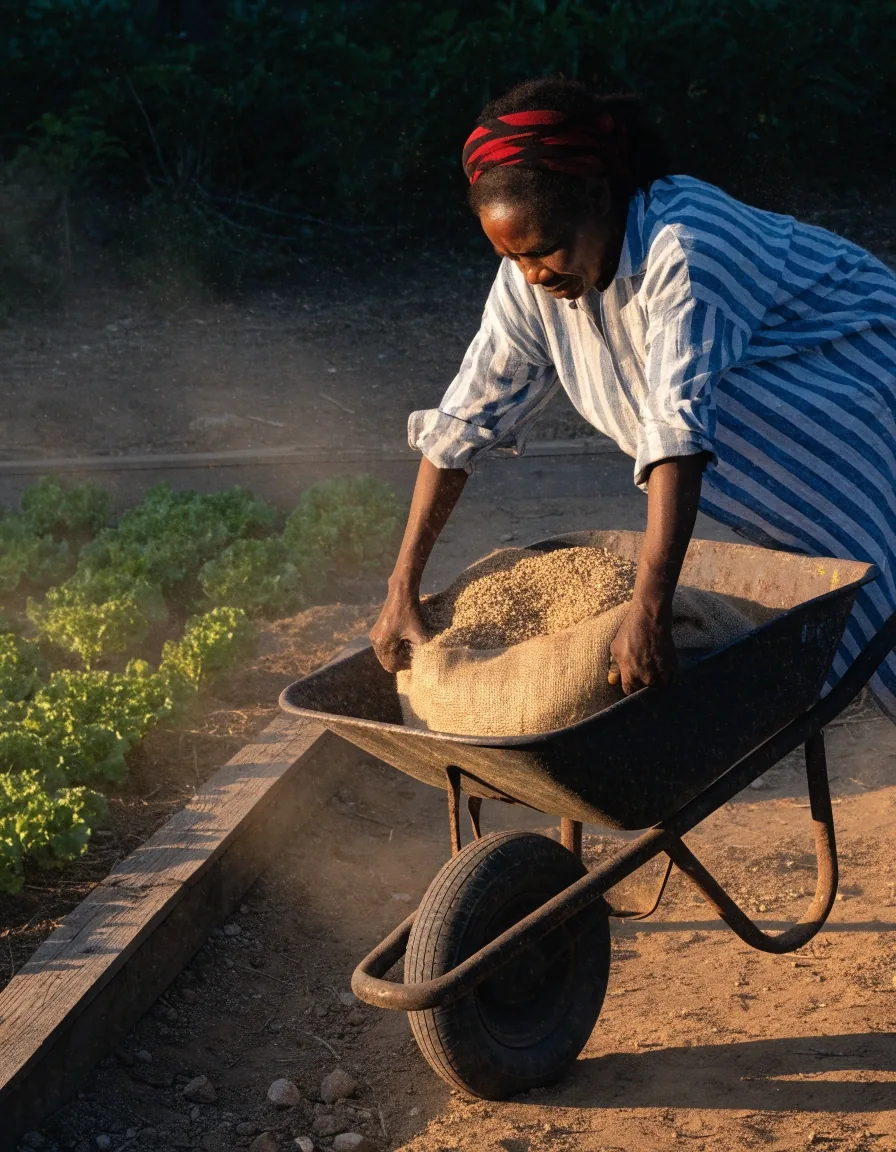
Strength work for the long haul
Muscle mass declines slowly from mid-adulthood, and that decline is one of the biggest drivers of frailty later. Resistance does not require a gym. Squatting, carrying loads, push-ups and lifting something heavy a few times a week all count. Two short sessions a week is a realistic entry point, and it pays back for twenty years.
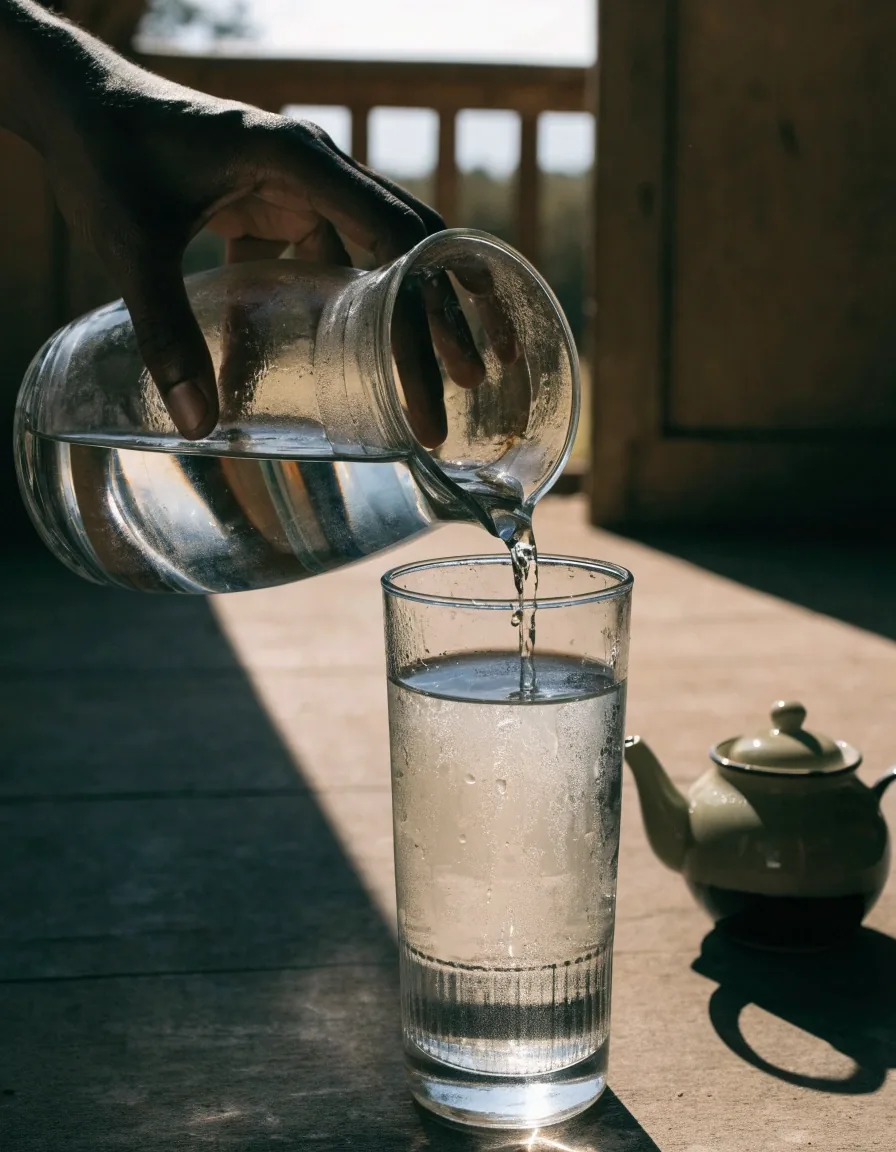
Hydration, especially in heat
Botswana's climate makes fluid loss easy to underestimate. Drinking water regularly across the day supports circulation, digestion and concentration. If your urine is dark and infrequent, you are behind. Water, tea without sugar and diluted juice are fine. Sweetened drinks and alcohol should not be your main fluids.

Stress is a physical load
Chronic stress raises blood pressure, disturbs sleep, and drives people toward food and drink they wouldn't otherwise choose. The habits that reduce it are unglamorous: walking, talking to someone you trust, keeping a routine, and getting outside in the morning. These are not soft extras. They act on the same systems that diet and exercise work on.
Sleep and ageing
Sleep architecture changes with age, which is why older adults often wake more often at night. That is normal to a degree. What is not necessary is accepting ongoing fatigue as inevitable.
The levers still work in your sixties and seventies. A consistent wake time anchors the whole system, even if the falling-asleep time drifts. Less caffeine after early afternoon gives the body a chance to settle. A cooler, darker room — curtains closed, screens face-down, the lamp off rather than dimmed — removes the small signals that keep a tired brain alert.
If you wake at three in the morning, the useful move is usually to stay in bed and keep the room quiet rather than to start the day early. Ongoing tiredness that lasts for weeks, or sleep that stays broken no matter what you change, is worth raising with a health professional rather than pushing through.
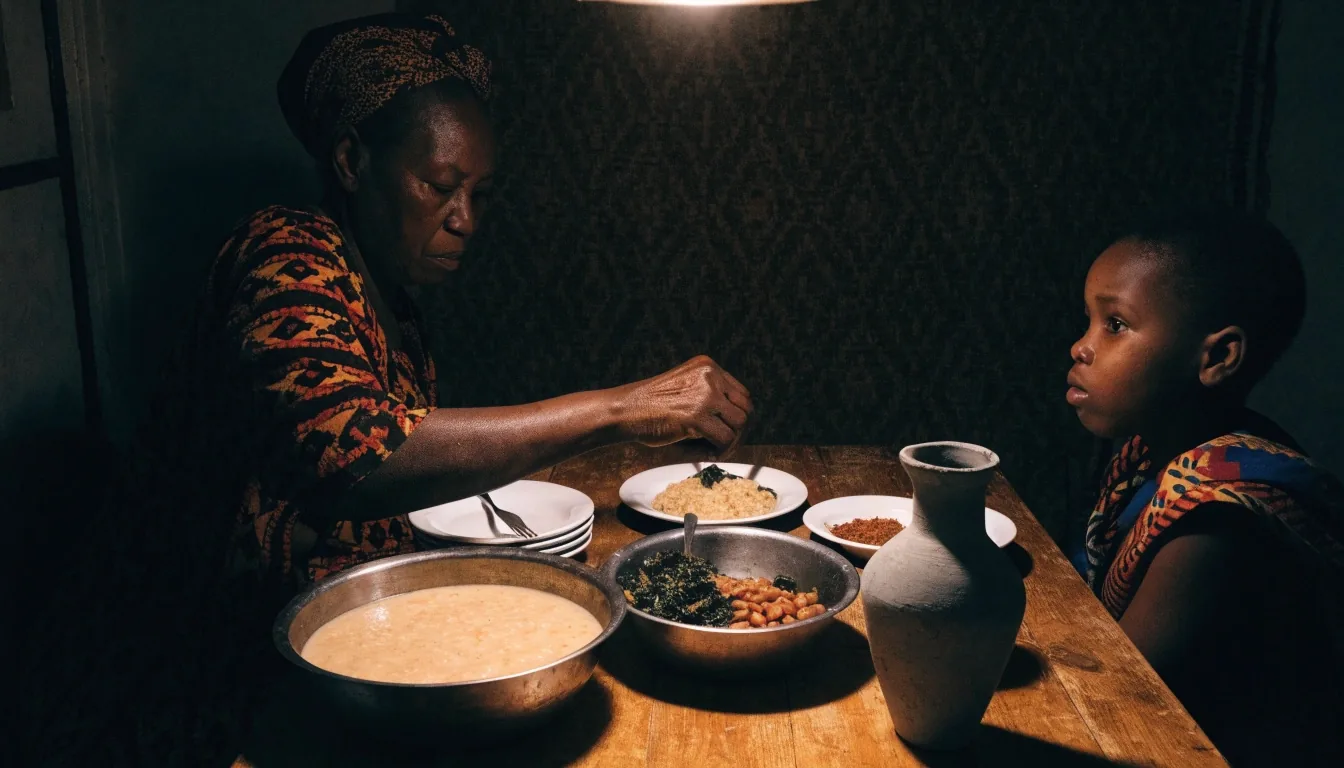
Food choices that protect as you age
A diet high in fa, salt and sugar and low in fibre is named in Botswana's 2011 National Health Policy in connection with serious illnesses including heart disease, stroke, diabetes, osteoporosis and some cancers. The protective pattern looks much like the balanced-eating guidance: more legumes, vegetables and fruit, less refined starch, less fried and processed food.
-
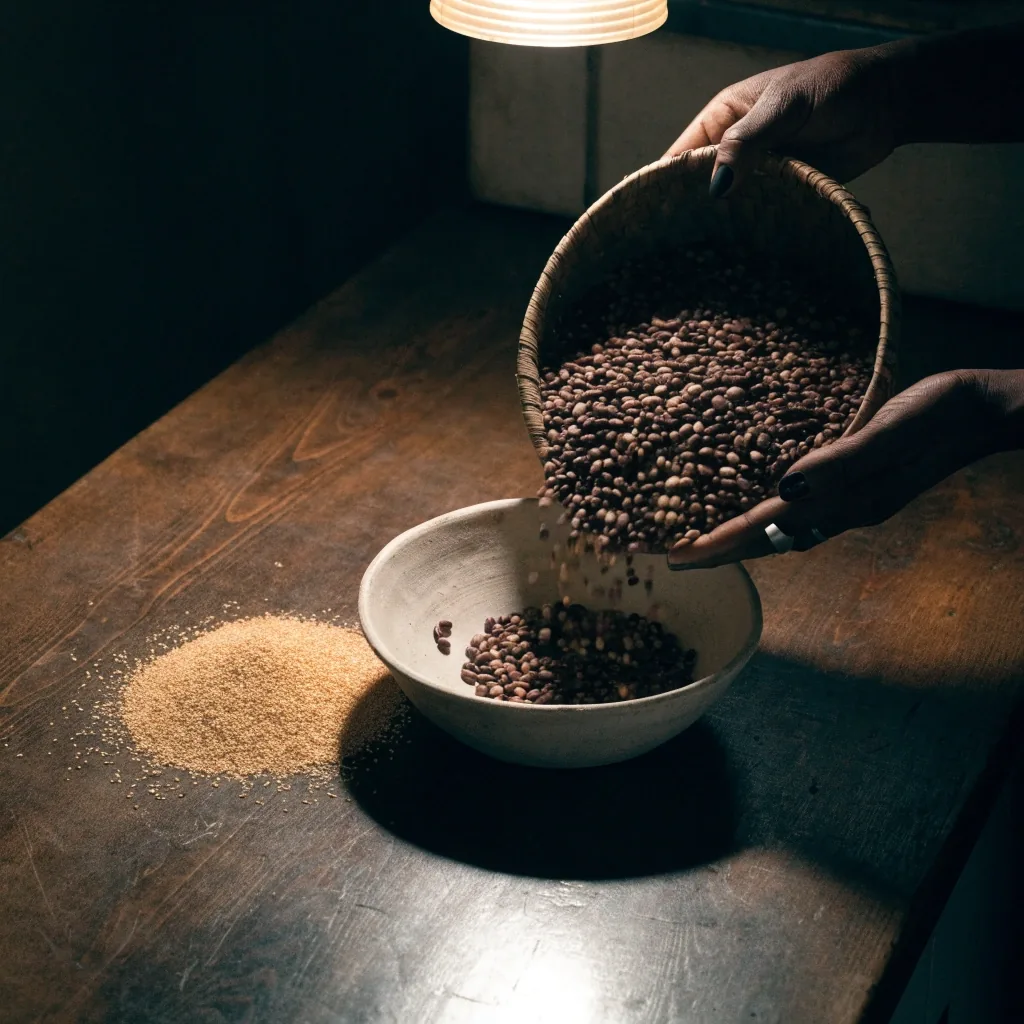 Legumes and beans in place of some meat
Several days a week
Legumes and beans in place of some meat
Several days a week
-
 Vegetables at most main meals
2+ portions a day
Vegetables at most main meals
2+ portions a day
-
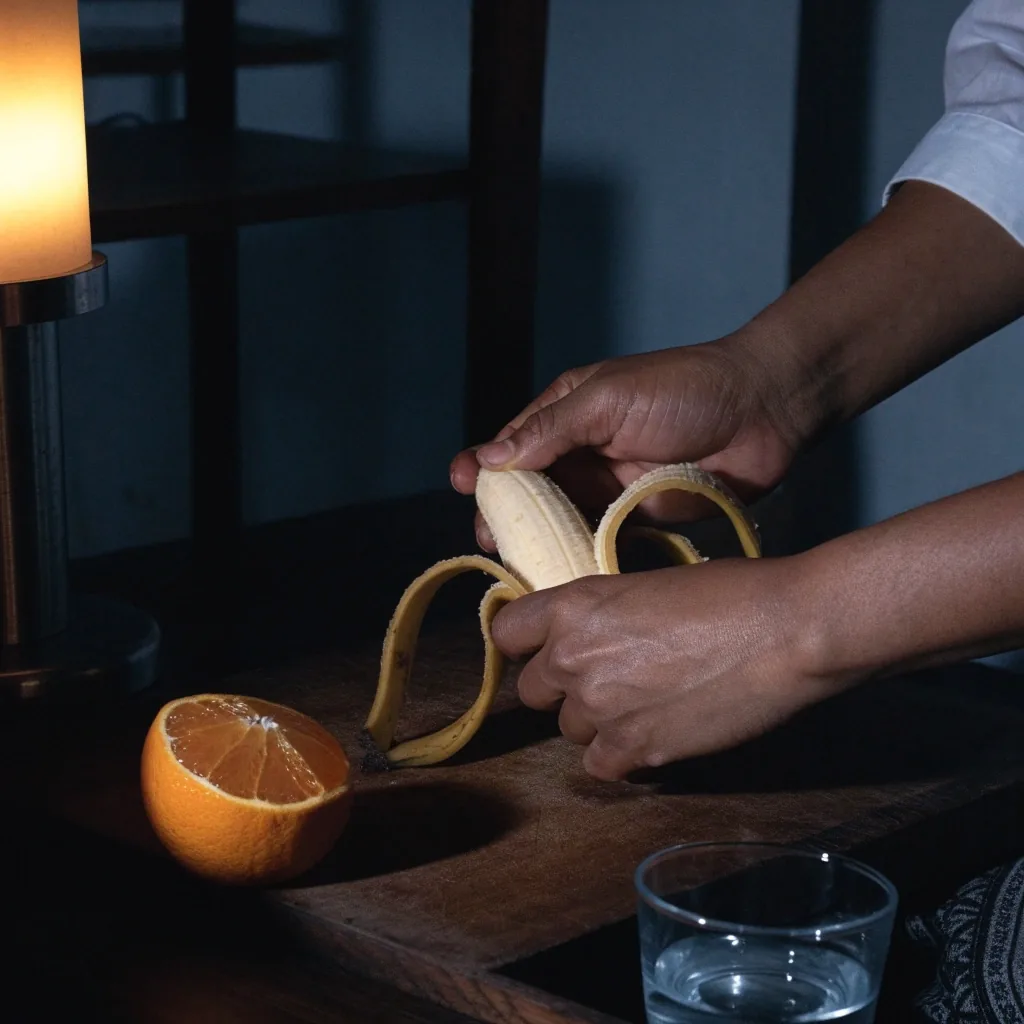 Fruit instead of sweetened dessert
Daily if possible
Fruit instead of sweetened dessert
Daily if possible
-
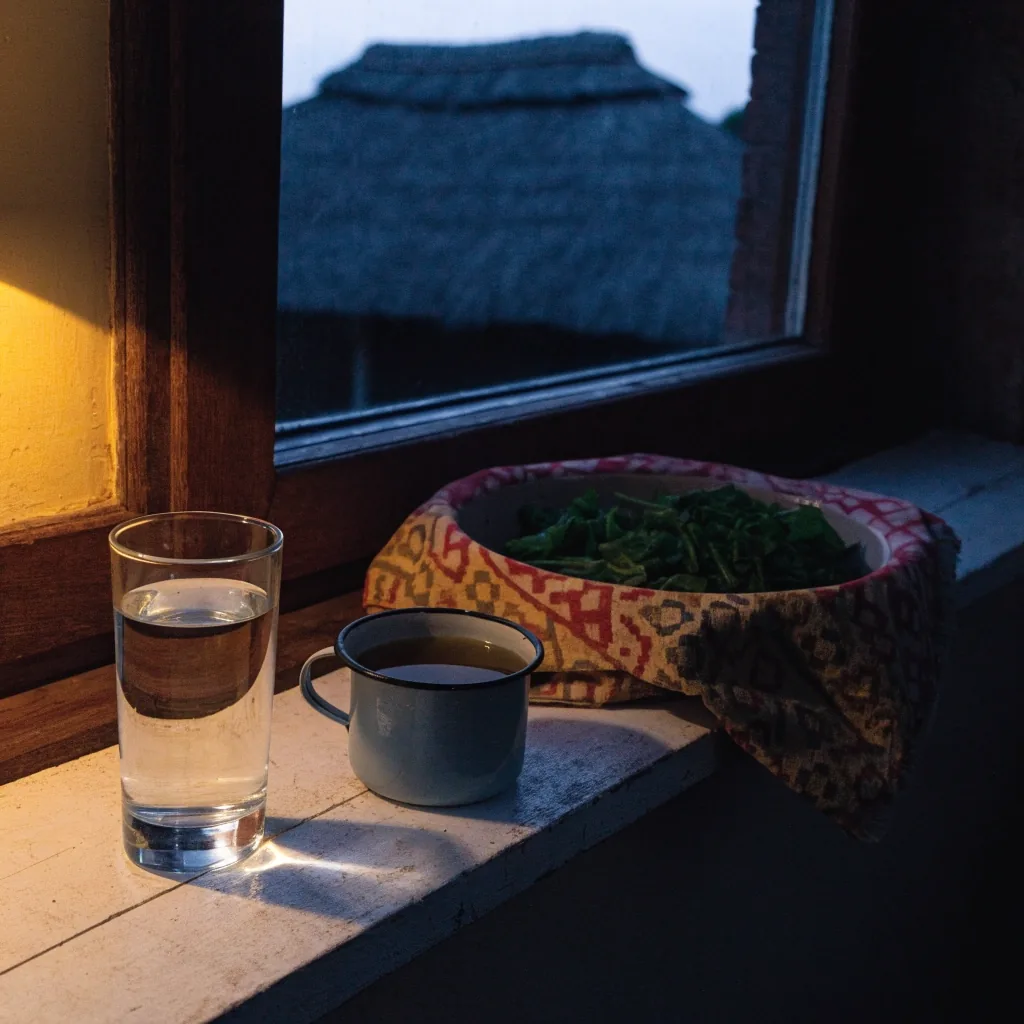 Unsweetened drinks as the default
Every day
Unsweetened drinks as the default
Every day
Small substitutions held for years beat dramatic overhauls abandoned in weeks. Portions in the list above are ordinary household measures, not medical prescriptions.
Screening is part of body care
Habits reduce risk. They do not remove it.
Periodic checks for blood pressure, blood sugar and weight belong in the same routine as walking and eating well. Botswana's NCD strategy names cancers, cardiovascular disease, diabetes and chronic respiratory disease as its main targets, and early detection is where routine health visits genuinely earn their place.
Put the appointment in the calendar the same way you would put a walk there. A blood pressure reading takes a few minutes and tells you something a mirror cannot. If a reading comes back high or a screening flags something to follow up, that is useful information, not a verdict — it is exactly the point of checking before symptoms appear.
What to keep an eye on, and how often
- Blood pressure Every routine visit
- Blood sugar As advised by your clinician
- Weight and waist A few times a year
- Vision and dental check Once a year
Timing above is general guidance for adults with no diagnosed condition. Your own clinician sets the schedule that fits your history.
Body care beyond food and fitness
Skin, teeth, feet and eyes age too, and small attention to each of them prevents bigger problems later. Longevity is a pattern across many small systems, not one big fix. The list below is deliberately ordinary — it is the kind of thing that gets skipped when a week is busy, and the kind of thing that quietly matters.
Teeth
Brush twice daily and keep the gumline clean. Dental problems build slowly and quietly, and they affect how well you eat, not only how your mouth feels.
Feet
If you live with diabetes, check your feet regularly for cuts, blisters or numb patches. A small wound noticed early is far easier to manage than one found late.
Skin
Botswana sun is strong for most of the year. Covering up, staying out of the harshest midday sun and keeping skin moisturized are plain habits, not vanity.
Eyes
Get vision checked occasionally even if nothing feels wrong. Changes creep in slowly, and better light, larger print or updated glasses keep reading and driving comfortable.

Where to take this further
Build the habits one at a time
Pick one thing from this page and hold it for a month before adding the next: a daily walk, water instead of sweetened drinks, a fixed wake time, or two short strength sessions a week. The order matters less than the repetition. If you would like to talk through your own routine, send us a question and we will reply during working hours.
Restfulness Journey · Plot 2301, Town Center Plaza, Khama Avenue, Lobatse, Botswana · +267 533 0840 · [email protected] · Monday to Friday, 8:00 AM – 5:00 PM; Saturday, 9:00 AM – 1:00 PM.
This page offers general lifestyle information for adults. It is not medical advice and does not replace assessment by a qualified health professional.
Questions we hear often
Do I need to join a gym to build strength as I get older?
No. Squatting, carrying loads, push-ups and lifting something heavy a few times a week all count as resistance work. Two short sessions weekly is a realistic starting point, and household and garden tasks can carry part of it.
How much water should I actually be drinking in Botswana's heat?
There is no single number that fits everyone, since it depends on your activity, the day's temperature and what you eat. A workable rule is to drink regularly across the day rather than in one or two large amounts, and to treat dark, infrequent urine as a signal to drink more. Water, unsweetened tea and diluted juice are fine.
Is waking up at night just part of getting older?
To a degree, yes — sleep architecture changes with age and more night waking is common. What is not inevitable is ongoing fatigue. A consistent wake time, less late caffeine and a cooler, darker room still help in later decades. Tiredness that lasts for weeks is worth raising with a health professional.
Where should someone start if they have done nothing so far?
Choose one habit and hold it for a month before layering another: a short daily walk, water instead of sweetened drinks, or a fixed wake time. Movement is usually the easiest to start because it needs no equipment and fits into errands you already run. The nutrition guidance page covers the food side in more detail.
Do these habits replace regular check-ups?
No. Good daily habits lower risk but do not remove it. Blood pressure, blood sugar and weight checks belong alongside walking and eating well, and early detection is where routine visits earn their place. Your clinician sets the schedule that fits your own history.